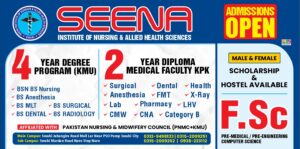
Seena Institute of
Introduction
Welcome to our blog post where we explore the exciting world of medical education and the advancements that are shaping the future of healthcare. As a leading medical college, we understand the importance of staying at the forefront of innovation to provide our students with the best education possible. In this post, we will discuss some of the latest developments in medical education and how they are revolutionizing the industry.
The Rise of Virtual Learning
Gone are the days when medical students had to rely solely on textbooks and lectures to learn about the intricacies of the human body. With the advent of virtual learning, students now have access to a wealth of resources that enhance their understanding and practical skills. Virtual dissection tables, for example, allow students to explore the human anatomy in a hands-on, interactive way. This not only improves their knowledge but also prepares them for real-life scenarios they will encounter in their medical careers.
Furthermore, virtual reality (VR) and augmented reality (AR) technologies have opened up new possibilities for medical education. With VR, students can step into simulated environments and practice procedures without the need for real patients. AR, on the other hand, overlays computer-generated images onto the real world, offering students a unique perspective during surgical training. These technologies not only make learning more engaging but also help students develop the necessary skills and confidence to excel in their future medical practice.
Personalized Learning and Adaptive Assessments
Every student learns at their own pace and has unique strengths and weaknesses. Recognizing this, many medical colleges are now implementing personalized learning approaches. By using adaptive learning platforms, students can receive tailored content based on their individual needs. This allows them to focus on areas where they need more support and progress at their own speed.
Additionally, adaptive assessments provide real-time feedback, enabling students to track their progress and identify areas for improvement. These assessments adapt to the student’s performance, ensuring that they are appropriately challenged and given the opportunity to reinforce their knowledge. By embracing personalized learning and adaptive assessments, medical colleges are empowering their students to take control of their education and achieve their full potential.
The Importance of Collaboration and Teamwork
In the ever-evolving healthcare landscape, collaboration and teamwork have become essential skills for medical professionals. Recognizing this, medical colleges are now incorporating more collaborative learning experiences into their curriculum. Group projects, case-based learning, and interprofessional education are just a few examples of how colleges are fostering teamwork skills.
These collaborative learning experiences not only prepare students for the multidisciplinary nature of healthcare but also promote a patient-centered approach. By working together, healthcare professionals can provide better care, make more informed decisions, and improve patient outcomes. Through collaborative learning, medical colleges are shaping a new generation of healthcare professionals who understand the power of teamwork.